
Sewage Backup in NYC: The First Safe Steps
Protect people first, then think about the property and the cleanup scope.
Read guide →Avoid contact, keep people and pets away, and check professional options for contaminated water removal, cleaning and drying.
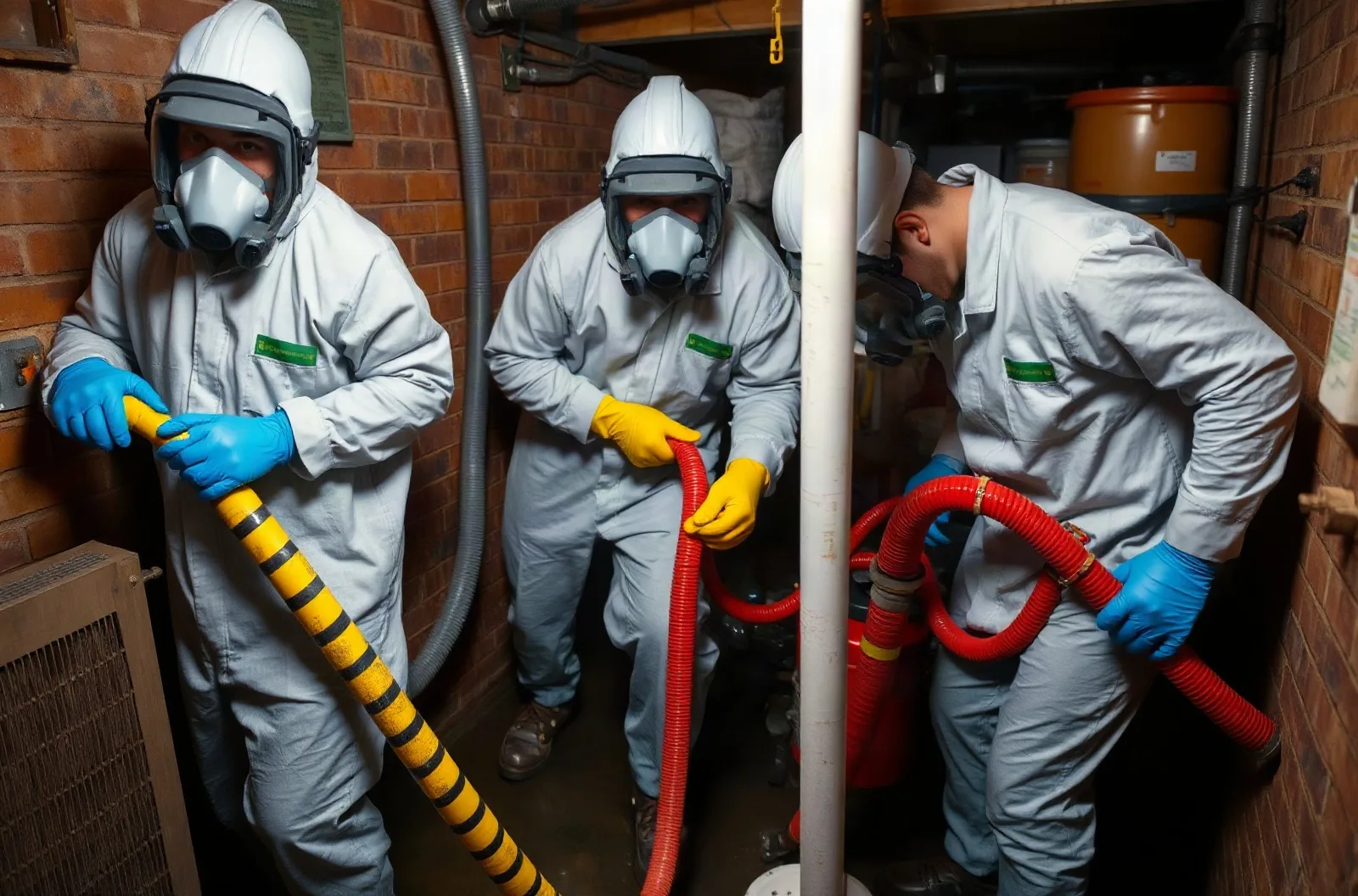
Choose the closest situation for safety guidance and the cleanup stages to ask about.
Check professional sewage backup cleanup options across NYC for contaminated water removal, cleaning and drying.
Read the cleanup guide →Basement-specific safety and contamination controlSafety-first basement sewage removal and cleanup referral options across New York City.
Read the cleanup guide →Bathroom containment and adjacent-area assessmentCheck cleanup options for sewage-contaminated toilet overflows in NYC apartments, homes and businesses.
Read the cleanup guide →Hidden spread from damaged drain or sewage pipesProfessional cleanup referral options for leaking or burst sewage pipes in NYC buildings.
Read the cleanup guide →Rain, sewer backup and contaminated floodwaterCheck cleanup options for sewage backups after heavy rain and flooding in New York City.
Read the cleanup guide →Extraction with contamination controlsProfessional contaminated water extraction and cleanup referral options across NYC.
Read the cleanup guide →Source removal before odor treatmentCheck professional cleaning, sanitizing and odor-control options after sewage contamination in NYC.
Read the cleanup guide →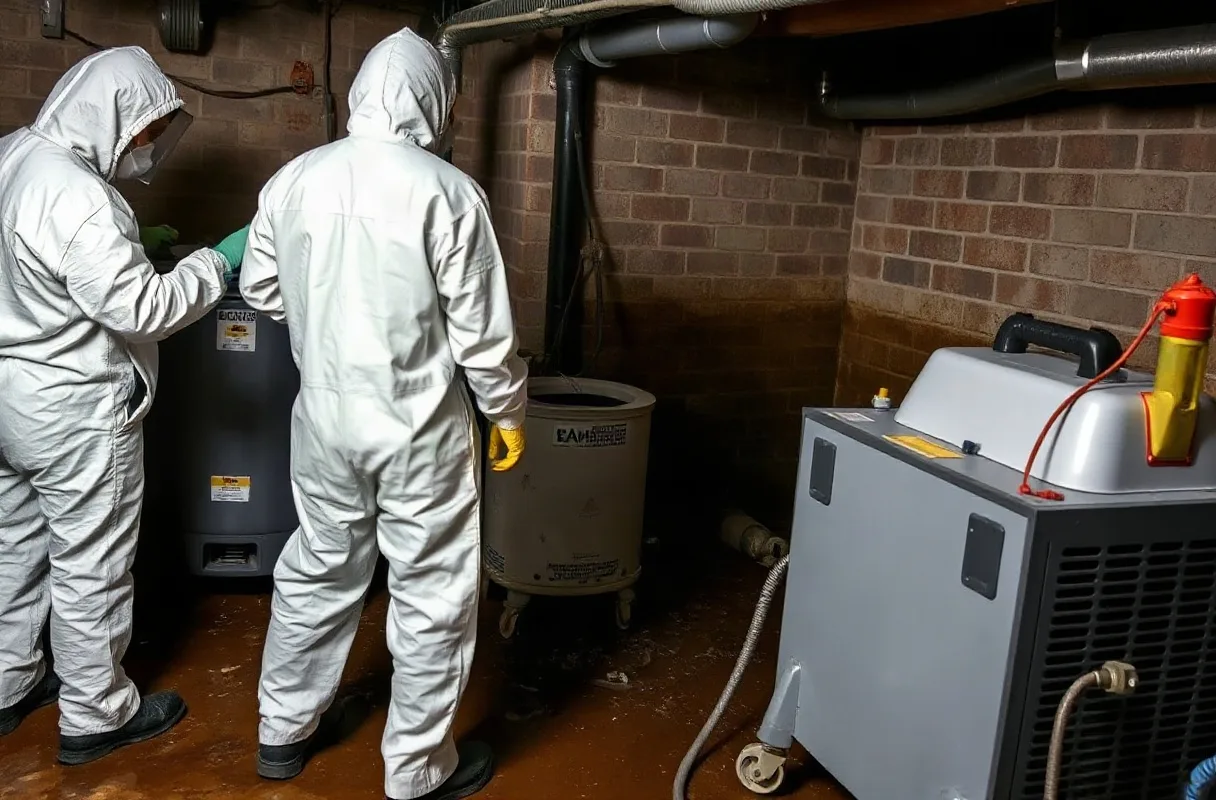
The provider checks safe access, the source, affected areas and how to limit spread.
Contaminated water and unsalvageable porous materials are addressed before suitable surfaces are cleaned.
Drying equipment and moisture checks follow. Plumbing repair and reconstruction are separate scopes.
We are a referral service, not a cleanup contractor. Independent providers assess the property and establish their own methods, schedules and prices.
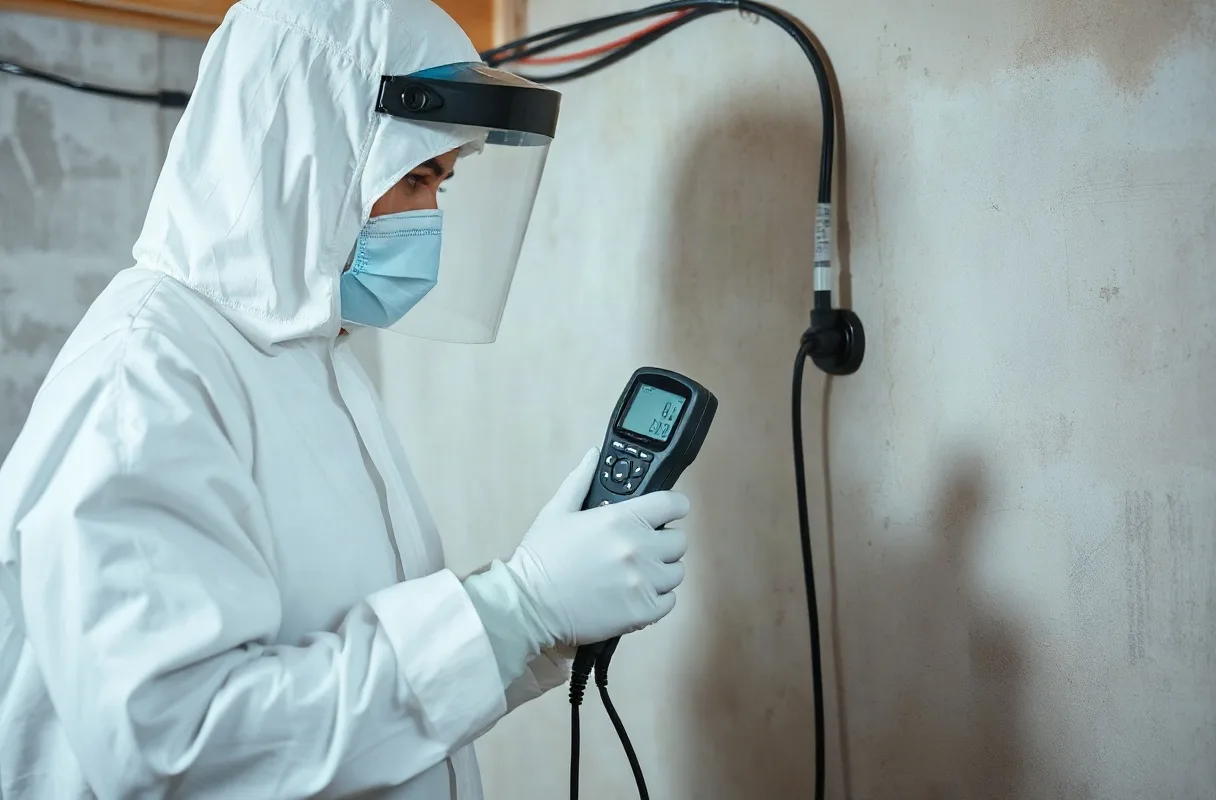
Building access and travel conditions matter. Choose an area, then call for current availability.
General information, not a site-specific safety or coverage assessment.
Avoid contact and keep the area isolated. Sewage contamination can require dedicated extraction, removal of porous materials, cleaning and controlled drying. A professional provider should assess the affected area.
No. Household vacuums are not designed for contaminated water, and fans can move contaminated air into clean areas. If water may be electrified, do not enter it at all.
Keep people and pets away, avoid contact and stop using the affected plumbing if you can do so without entering the contaminated area. Notify building management when appropriate and call to check professional cleanup availability.
Usually these are separate scopes. A plumber or building professional may stop the source, while a cleanup provider removes contamination, cleans and dries the property. Ask for each scope in writing.
Not necessarily, but contaminated porous materials often need removal. The provider must assess the materials, extent and contamination before explaining what can be cleaned and what should be discarded.
Coverage varies by policy, cause and any sewer-backup endorsement. Contact the insurer, document conditions safely and ask about the deductible and covered work. Flood and sewer-backup coverage can differ.
Timing depends on the affected area, materials, access and drying needs. Extraction and removal are separate from drying and reconstruction. The provider should explain phases after assessment.
Ask about containment, extraction, material removal, cleaning, drying, disposal, moisture verification and expected pricing. Confirm what source repair and reconstruction are excluded or handled separately.
Read about first actions, provider roles and insurance questions.
Protect people first, then think about the property and the cleanup scope.
Read guide →Why stopping the backup and cleaning the property are related but different jobs.
Read guide →Why sewer backup, plumbing failure and flood coverage may not be the same.
Read guide →